Honored Persons Database
Displaying 1 – 20 of 141 Honorees (Category: Historical Pioneer (Pre-Moderns), with portraits)
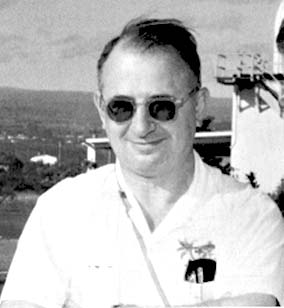
Harry Wexler
A pioneer in the use of computers for weather prediction and modification, Wexler was an American meteorologist who attended Harvard University, and in 1939 was awarded a Ph.D. in meteorology from the...
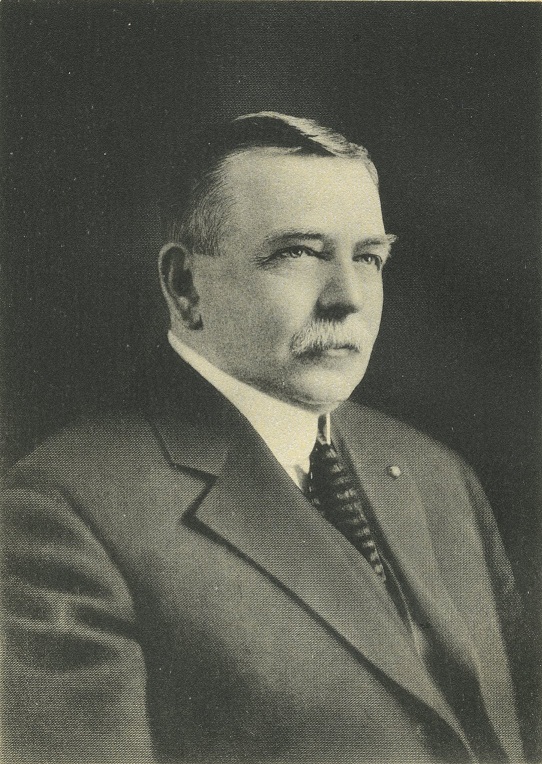
Dorr Eugene Felt
Inventor of the Comptometer, the first commercially successful key-driven mechanical calculator, Felt built his first prototype during the US Thanksgiving holidays of 1884. Because of his limited amount of money, he used...
William Gordon Welchman
One of four signatories to an influential letter delivered personally to Winston Churchill in October 1941 asking for more resources for the code-breaking work at Bletchley Park, and teacher of the first...
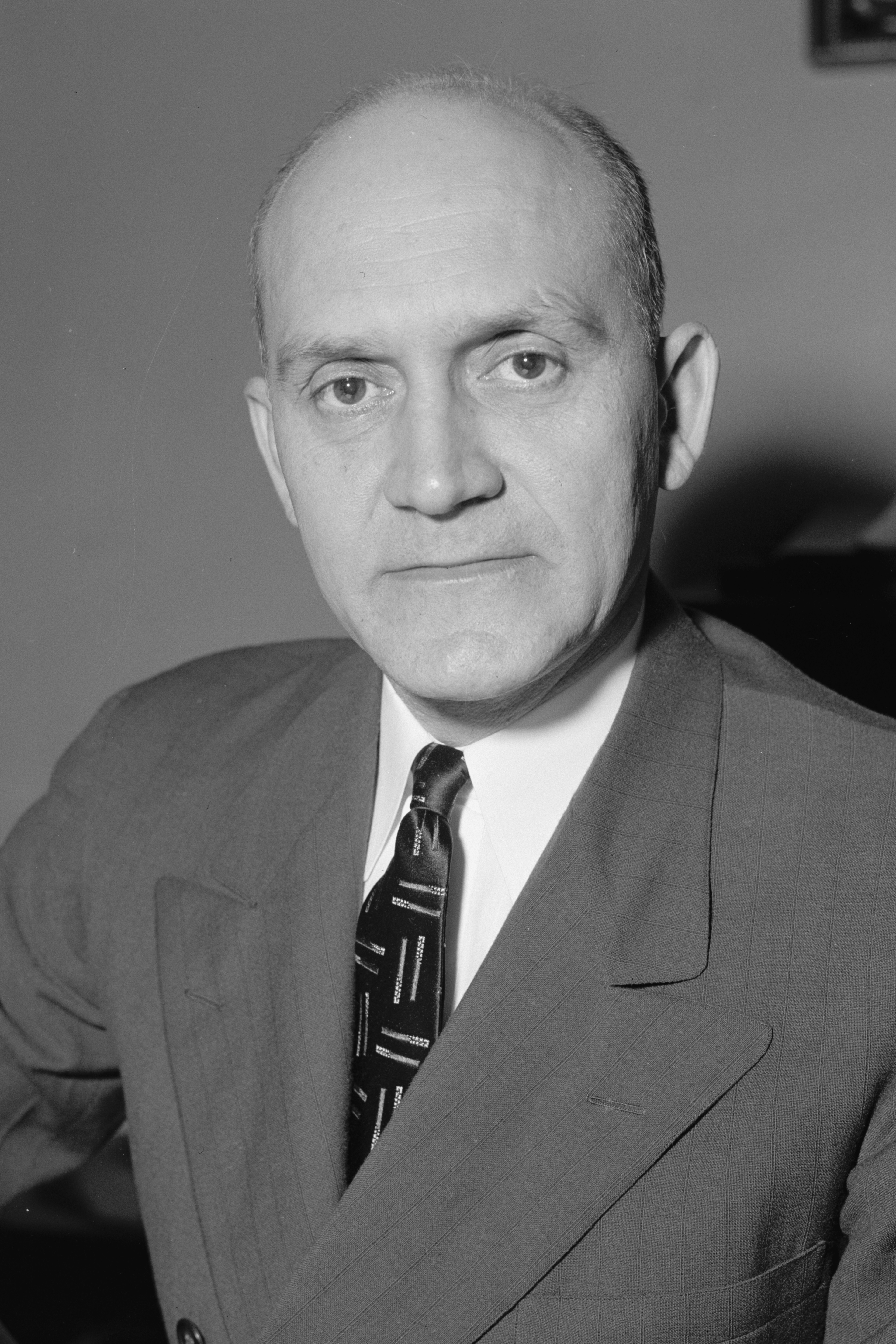
Francis Wilton Reichelderfer
Instrumental in bringing modern computerized technology to weather forecasting, Reichelderfer presided over a revolutionary era in the history of the National Weather Service. From 1938 to 1963, he guided the organization through...
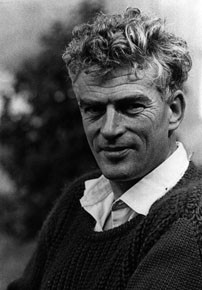
Robin Oliver Gandy
A pioneer in recursion theory, Gandy is best known for the Spector-Gandy theorem, the Gandy Stage Comparison theorem, and the Gandy Selection Theorem. A British mathematician and logician, he was a friend,...
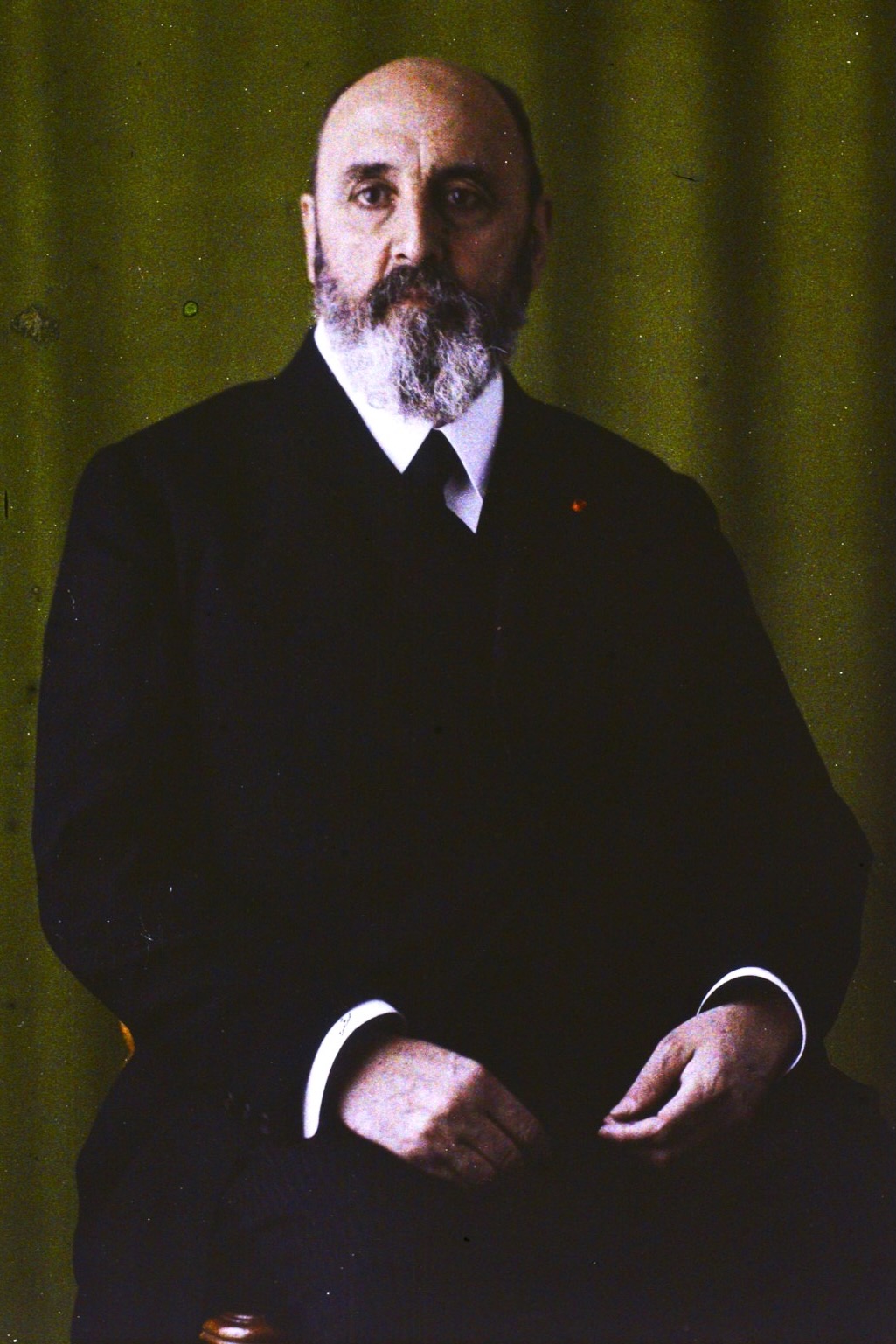
Leonardo Torres y Quevedo
Pioneer in remote control technology, Torres y Quevedo developed the Telekino — a robot that executed commands transmitted by electromagnetic waves — presenting it at the Paris Academy of Science in 1903. A...
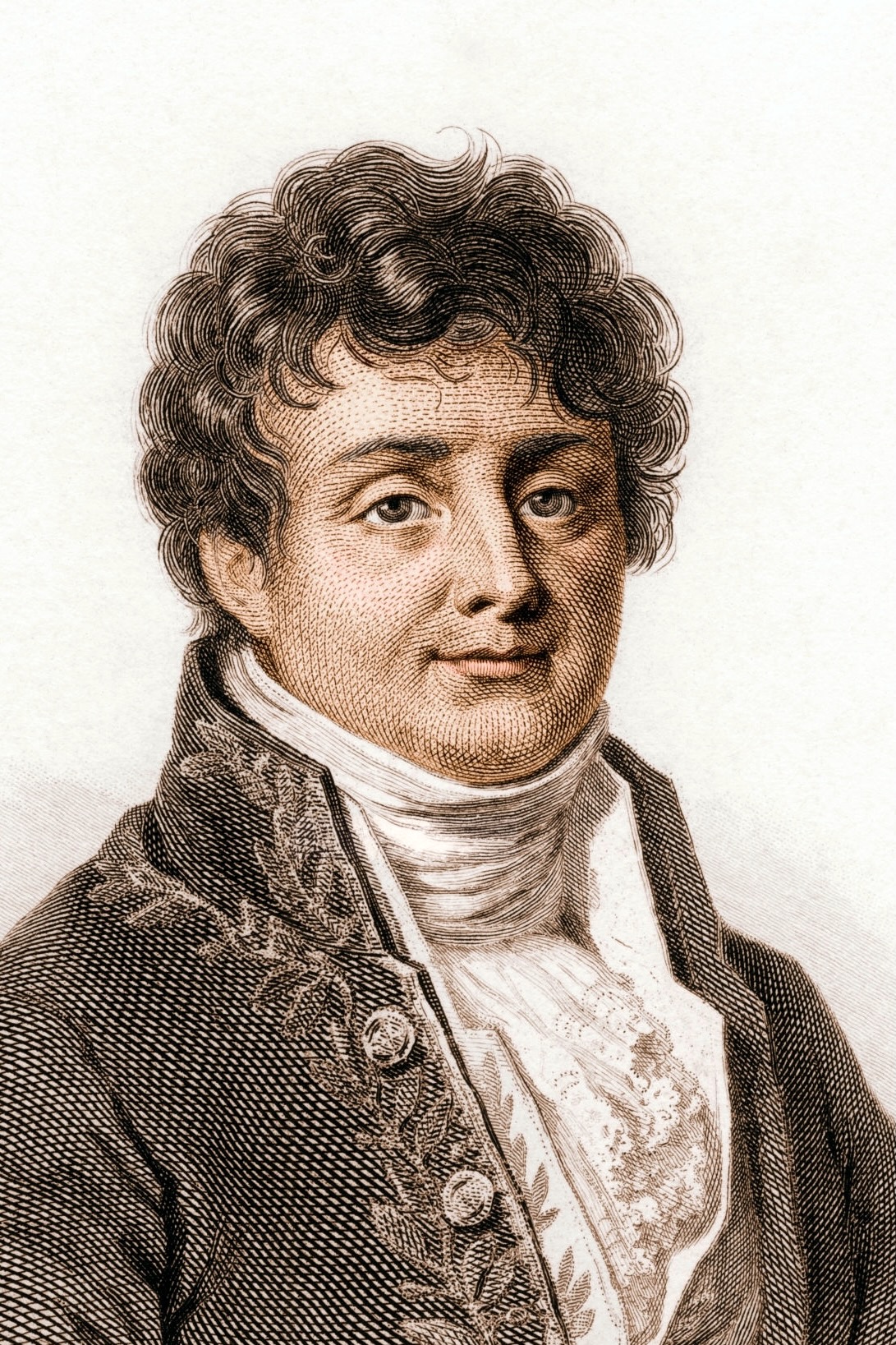
Jean Baptiste Joseph Fourier
Best known for initiating the investigation of Fourier series and their applications to problems of heat transfer and vibrations, Fourier left an unfinished work on determinate equations which was edited by Claude-Louis...
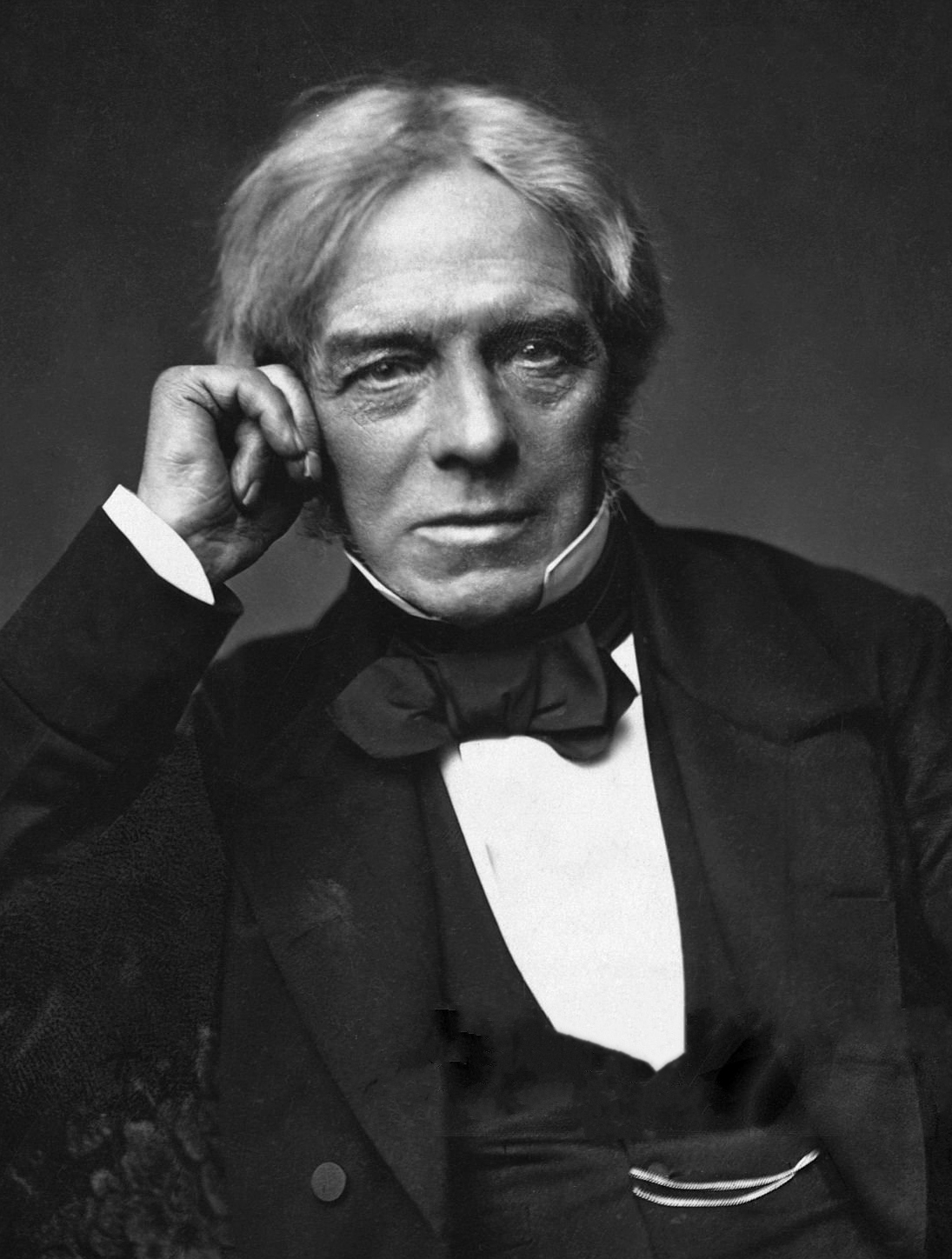
Michael Faraday
A father of electromagnetism and electronics, Faraday studied the magnetic field around a conductor carrying a DC electric current. While conducting these studies, he established the basis for the electromagnetic field concept...
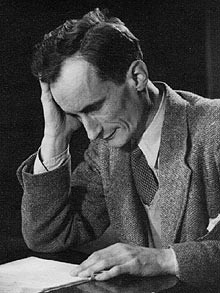
Shaun Wylie
A key member of Hut 8 at Bletchley Park, Wylie worked alongside Alan Turing on solving the Enigma machine as used by the German Navy. He was born in Oxford, England, the...
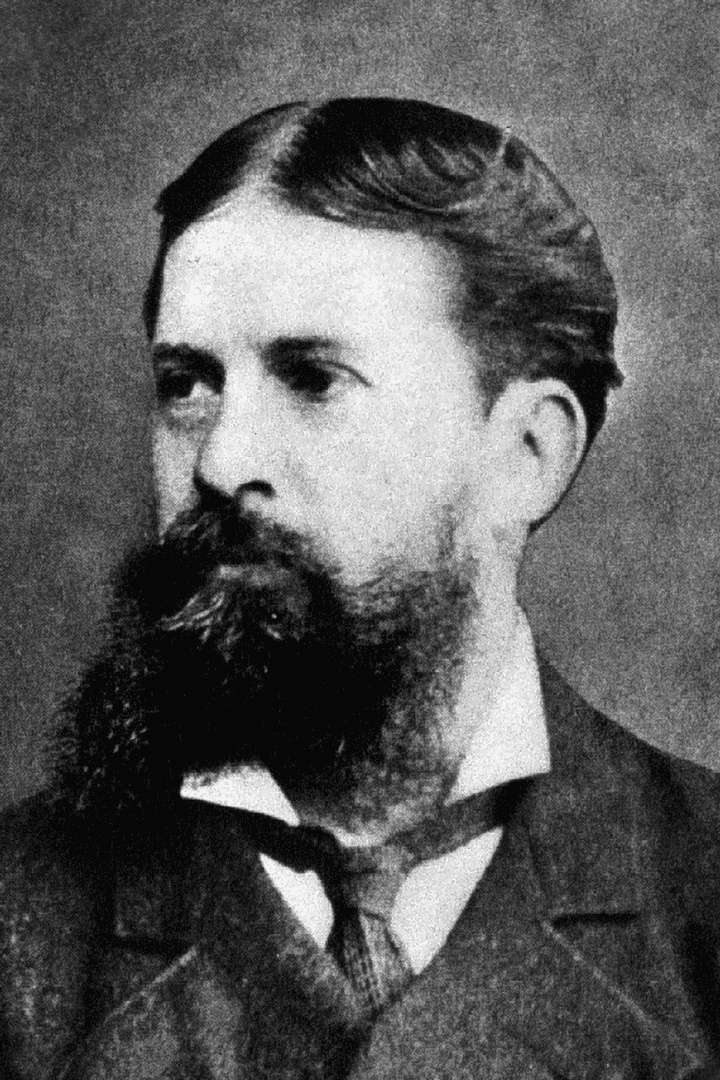
Charles Sanders Peirce
As early as 1886, Peirce saw that logical operations could be carried out by electrical switching circuits, the same idea that was used decades later to produce digital computers. An American philosopher,...
Augusta Ada King, Countess of Lovelace
Known as the "World's First Computer Programmer," Lovelace wrote notes on Charles Babbage's analytical engine that include what is recognized as the first algorithm intended to be processed by a machine. An...
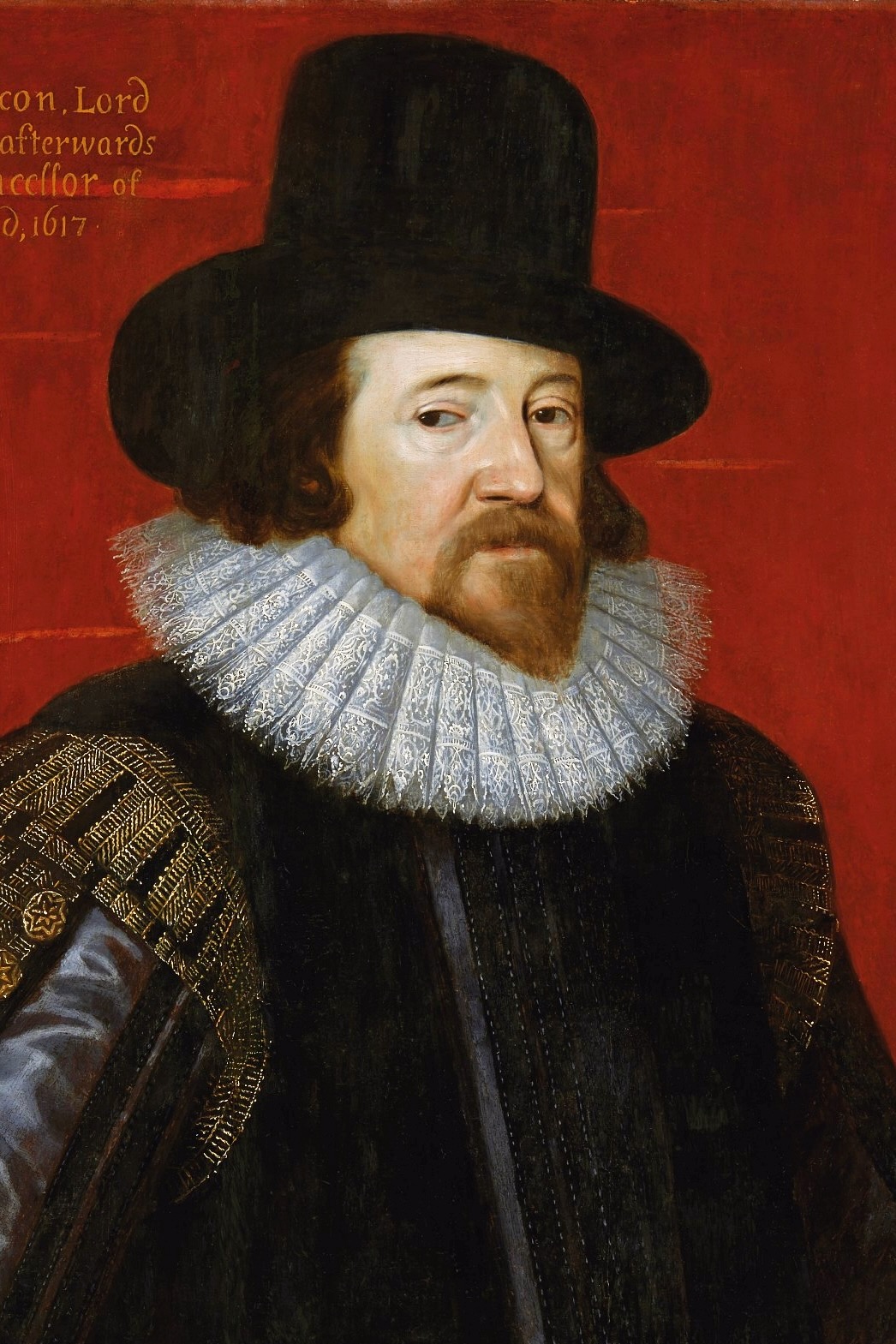
Francis Bacon
Considered the father of the scientific method and of empiricism, Bacon transformed natural philosophy and the theory of knowledge. He served both as Attorney General and Lord Chancellor of England. Although his...
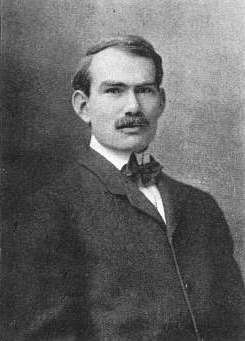
Lee de Forest
Inventor of the audion triode and audio and radio pioneer, De Forest had an interest in wireless telegraphy and invented the Audion in 1906. He then developed an improved wireless telegraph receiver....
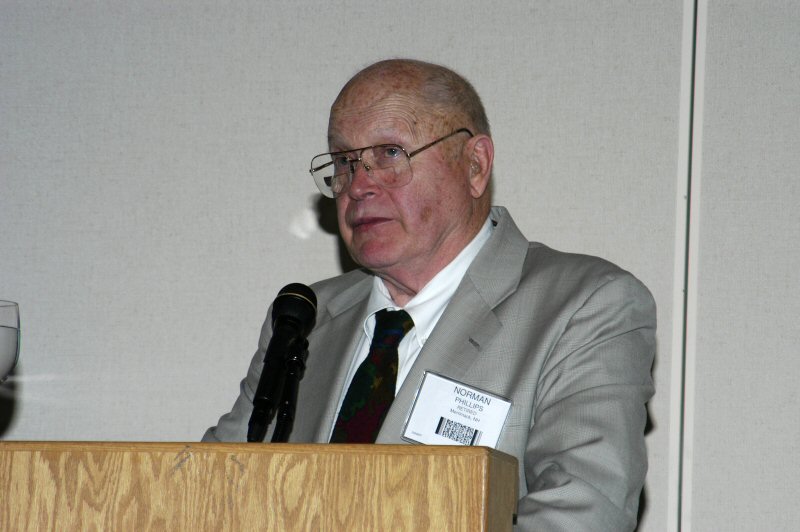
Norman A. Phillips
A major co-contributor to the prediction of weather and climate using numerical methods, Phillips was the first to show, with a simple General Circulation model, that weather prediction with numerical models was...
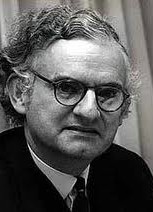
Michael James Lighthill
Pioneer in aeroacoustics and developer of television and communications satellites, Lighthill was a British applied mathematician known for his pioneering work in fluid dynamics. He worked at the National Physical Laboratory, Trinity...
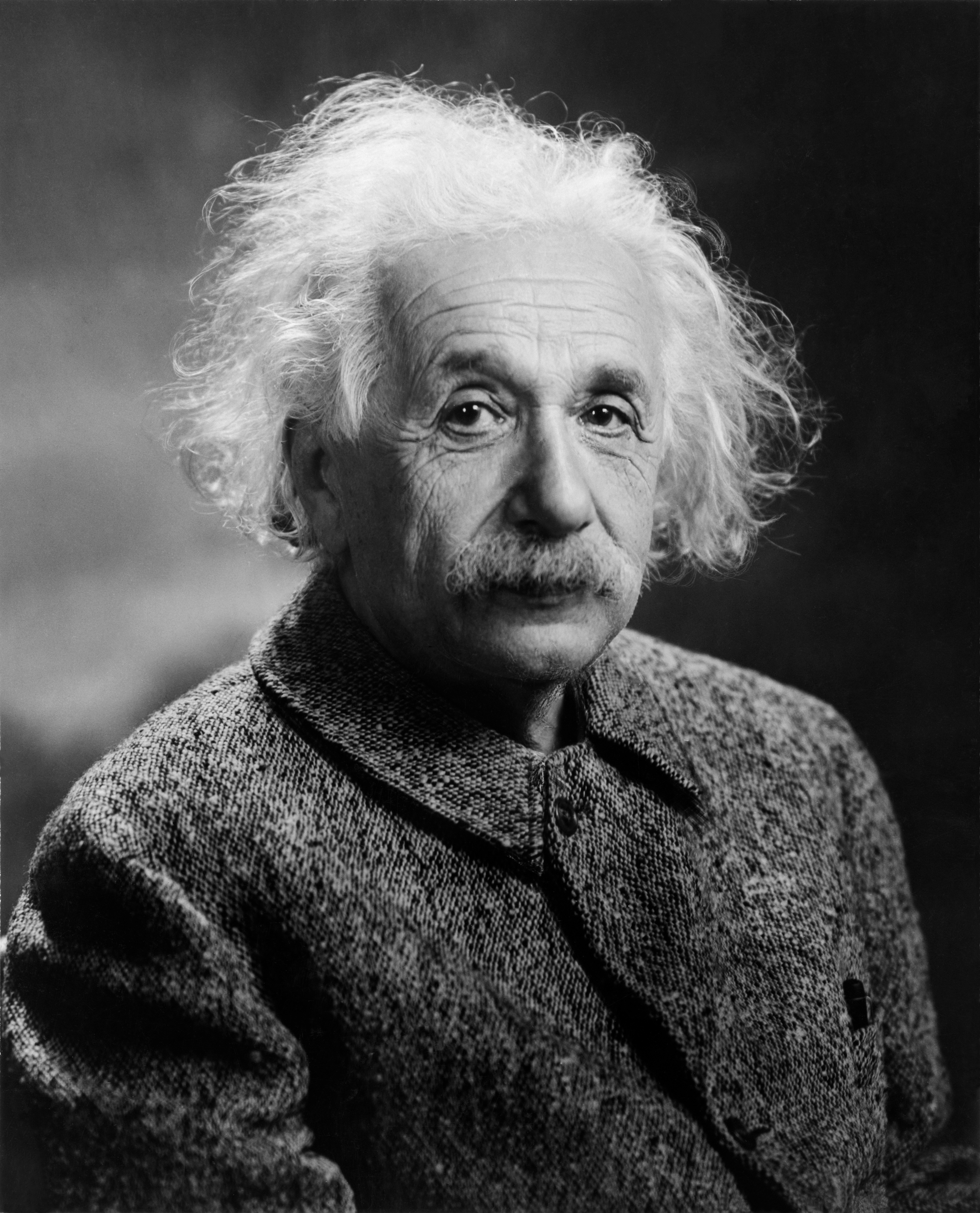
Albert Einstein
1921 Nobel Prize winner in Physics for his discovery of the law of the photoelectric effect, Einstein was a German-born theoretical physicist who developed the theory of general relativity, effecting a revolution...
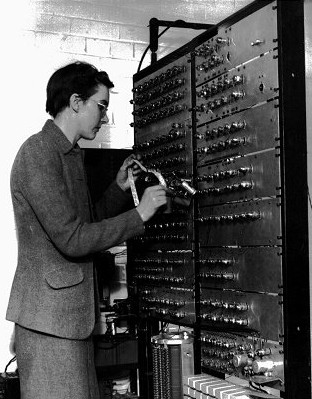
Kathleen Booth (née Britten)
Credited with writing the first assembly language and the design of the assembler and autocode (ARC and APE(X)C) for the Birkbeck College computers, Booth made foundational contributions to computer programming. Born in...
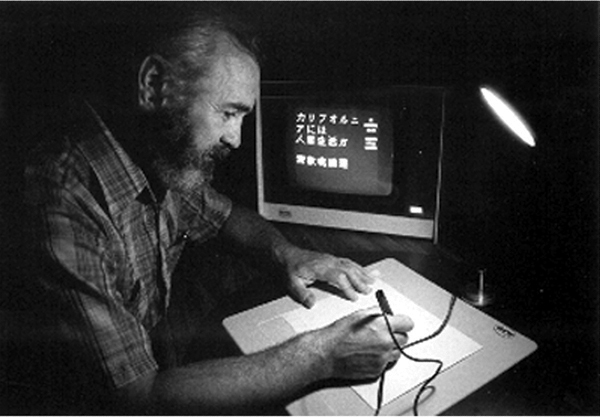
Hewitt D. Crane
Developer of an eye-movement tracking device and pen-input device for computers, Crane was an American engineer best known for his pioneering work at SRI International on ERMA (Electronic Recording Machine, Accounting), for...
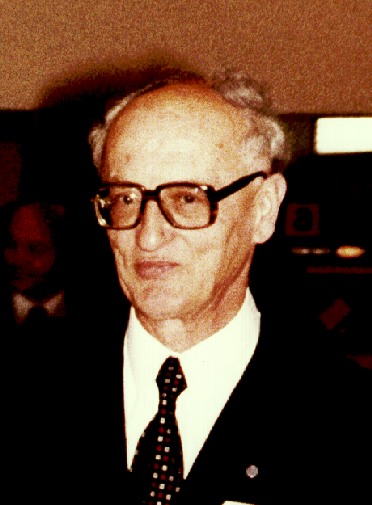
Klaus Samelson
A pioneer whose research led to a fundamental breakthrough in how computer systems are modeled and designed, Samelson also played a key role in the design of ALGOL 58 and ALGOL 60....
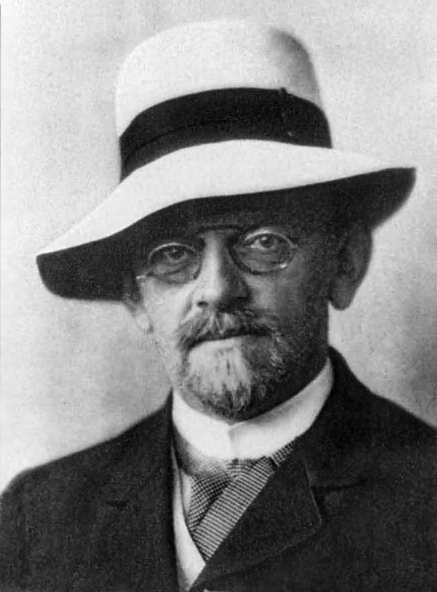
David Hilbert
One of the founders of proof theory and mathematical logic, Hilbert's work laid the basis for recursion theory and later theoretical computer science. He was recognized as one of the most influential...