Honored Persons Database
Displaying 1 – 20 of 141 Honorees (Category: Historical Pioneer (Pre-Moderns), with portraits)
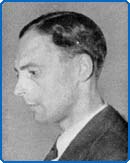
Conel Hugh O'Donel Alexander, CMG, CBE
One of the key workers on breaking the Enigma machine, Alexander made vital contributions to British codebreaking during World War II. An Irish-born British cryptanalyst, chess player, and chess writer, he was...
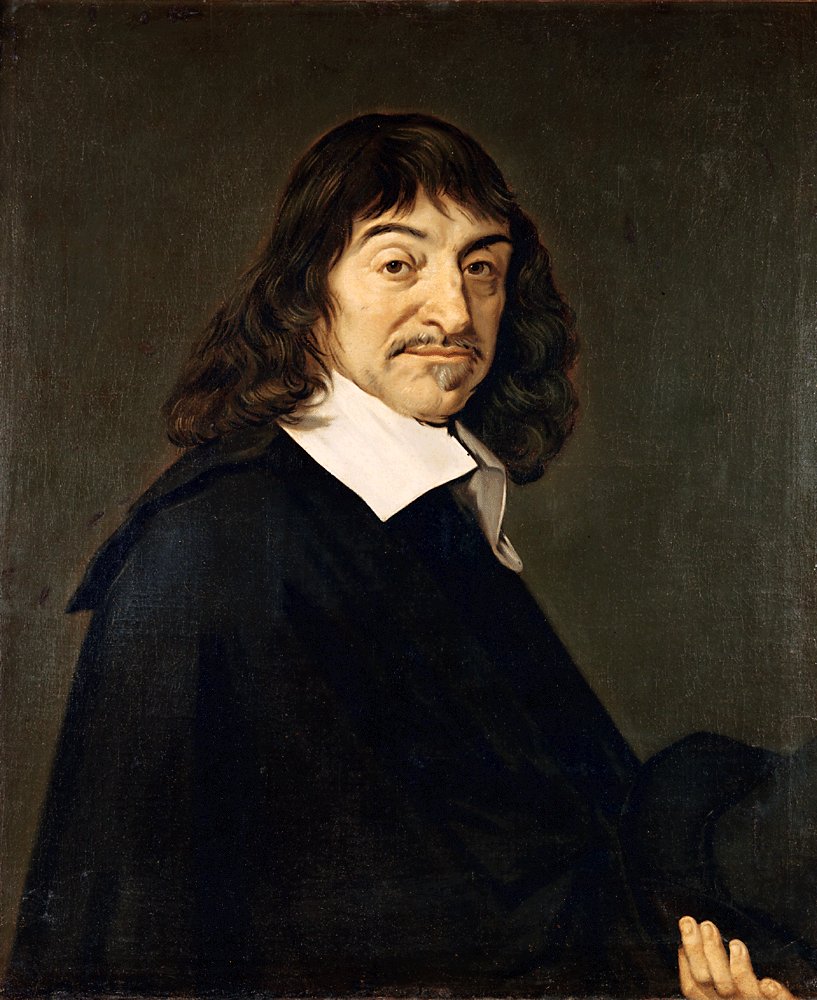
René Descartes
Credited as the father of analytical geometry, Descartes built the bridge between algebra and geometry that proved crucial to the discovery of infinitesimal calculus and analysis. The Cartesian coordinate system—allowing algebraic equations...
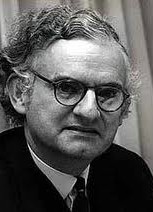
Michael James Lighthill
Pioneer in aeroacoustics and developer of television and communications satellites, Lighthill was a British applied mathematician known for his pioneering work in fluid dynamics. He worked at the National Physical Laboratory, Trinity...
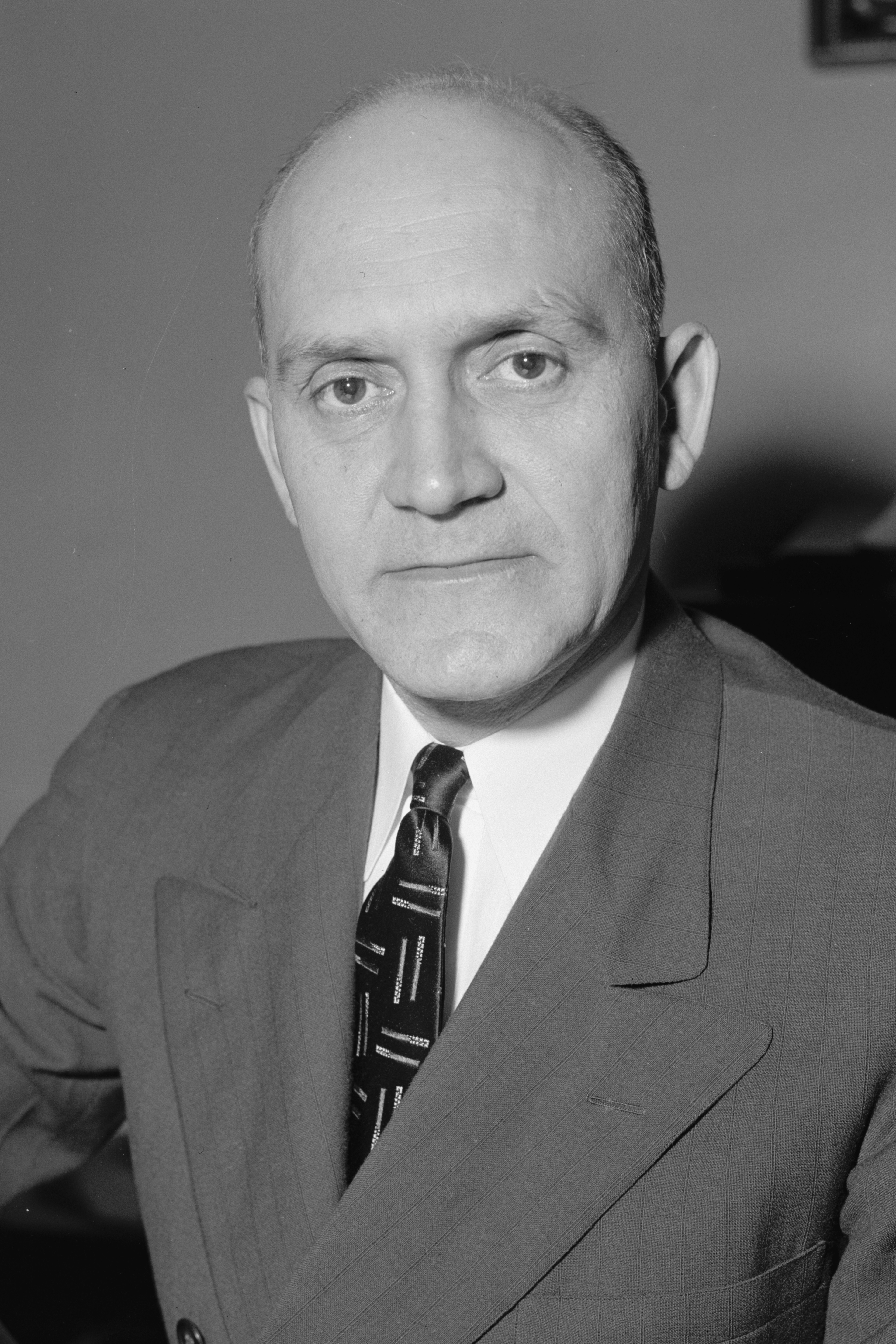
Francis Wilton Reichelderfer
Instrumental in bringing modern computerized technology to weather forecasting, Reichelderfer presided over a revolutionary era in the history of the National Weather Service. From 1938 to 1963, he guided the organization through...
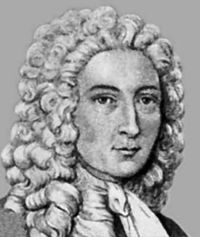
Giovanni Poleni
Builder of the first pinwheel design calculating clock, Poleni was a pioneer of mechanical computation. Made of wood, his calculating clock was built in 1709; he destroyed it after hearing that Antonius...
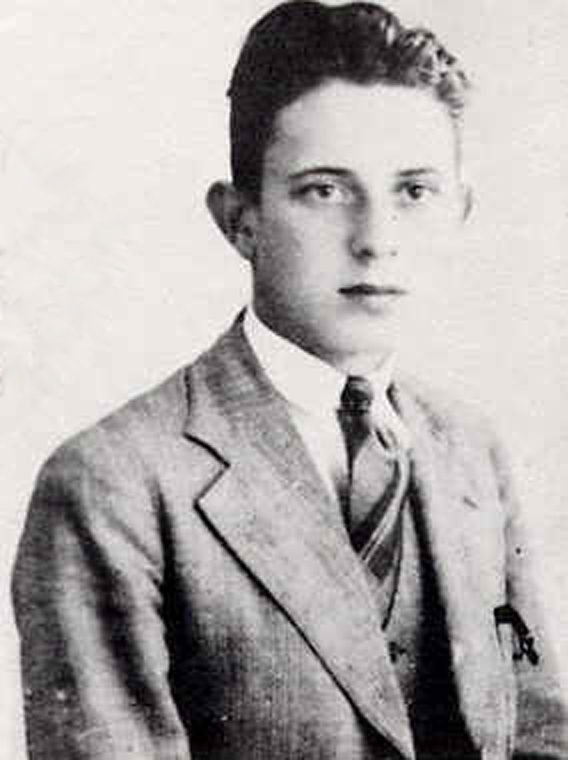
Jerzy Witold Różycki
Inventor of the "clock" method for determining Enigma rotor positions, Różycki was a Polish mathematician and cryptologist who worked at breaking German Enigma-machine ciphers. He was born in what is now Ukraine,...
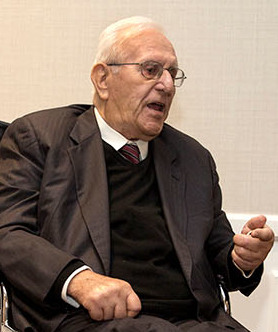
Arnold Meyer Spielberg
Inventor of the first computer-controlled point-of-sale cash register, Spielberg is recognized as a pioneer in the computer industry, credited with a number of breakthroughs during his professional career, among them early guidance...
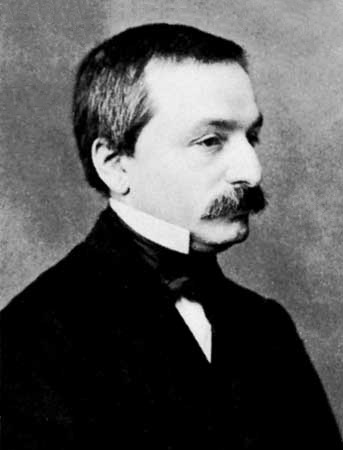
Leopold Kronecker
A contributor to the concept of continuity and the reconstruction of irrational numbers in real numbers, Kronecker was a German mathematician who worked on number theory and algebra. He was born in...
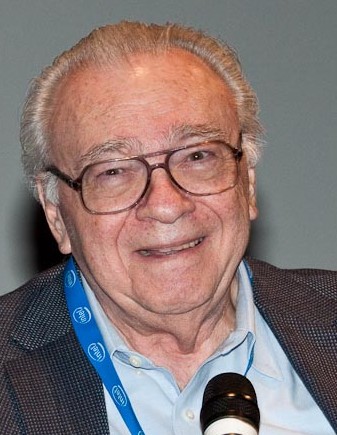
Julius Blank
Co-developer of an inexpensive method for manufacturing silicon chips, building them from scratch beginning with the machinery for growing silicon crystals, Blank was a semiconductor pioneer and a member of the so-called...
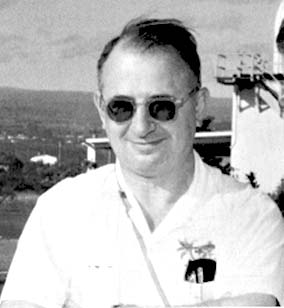
Harry Wexler
A pioneer in the use of computers for weather prediction and modification, Wexler was an American meteorologist who attended Harvard University, and in 1939 was awarded a Ph.D. in meteorology from the...
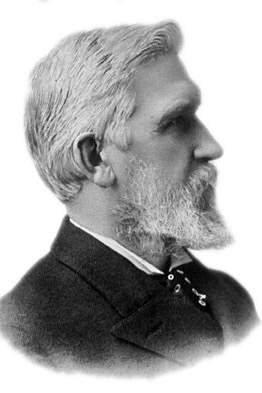
Elisha Gray
Best known for his development of a telephone prototype in 1876, Gray is considered by some writers to be the true inventor of the variable resistance telephone, despite losing out to Alexander...
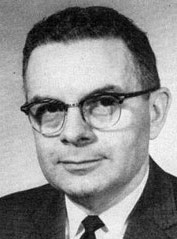
Arnold A. Cohen
Developer of selectively alterable digital storage on magnetic drums, Cohen held a patent that proved basic to the field. Born in Duluth, MN, he was a renowned physicist noted for his significant...
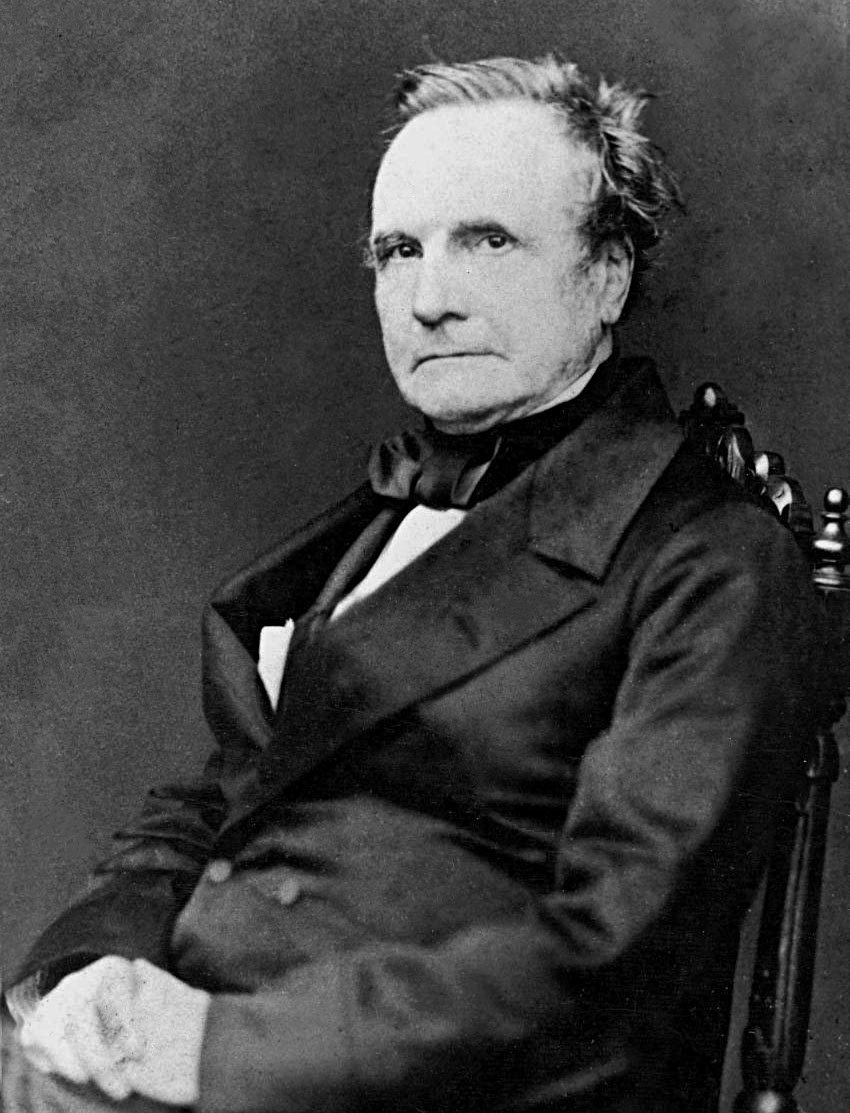
Charles Babbage
Designer of the first mathematical computer, Babbage was an English mathematician, philosopher, inventor, and mechanical engineer who originated the concept of a programmable computer. Parts of his uncompleted mechanisms are on display...
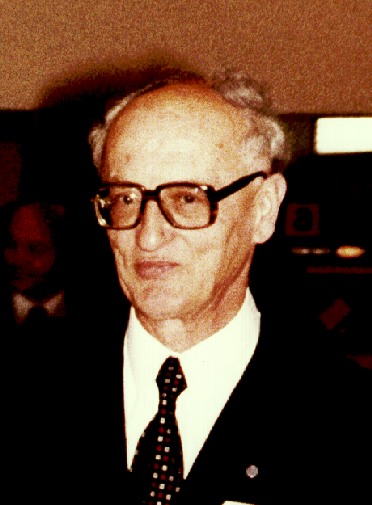
Klaus Samelson
A pioneer whose research led to a fundamental breakthrough in how computer systems are modeled and designed, Samelson also played a key role in the design of ALGOL 58 and ALGOL 60....
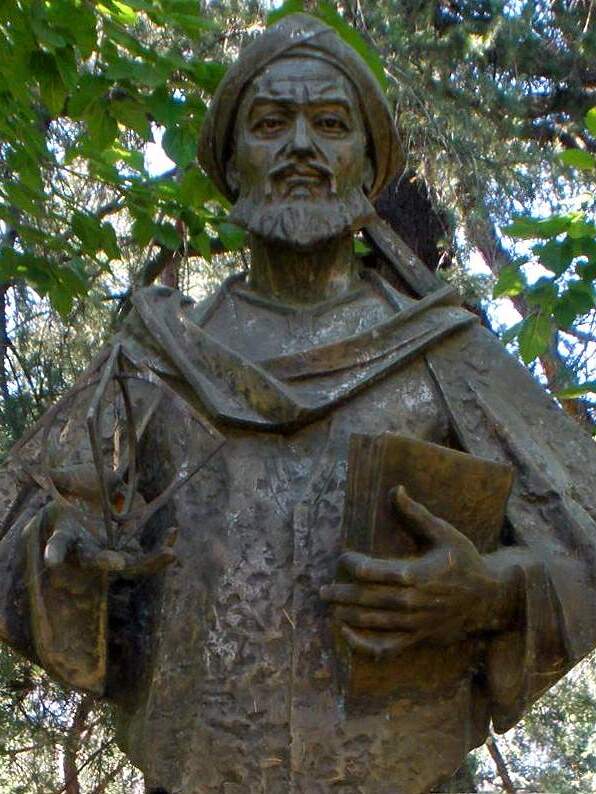
Abdal Mammad ibn M Khwrizm
Considered the founder of algebra, Khwrizm shared this credit with Diophantus. His Kitab al-Jabr wa-l-Muqabala presented the first systematic solution of linear and quadratic equations. In the twelfth century, Latin translations of...
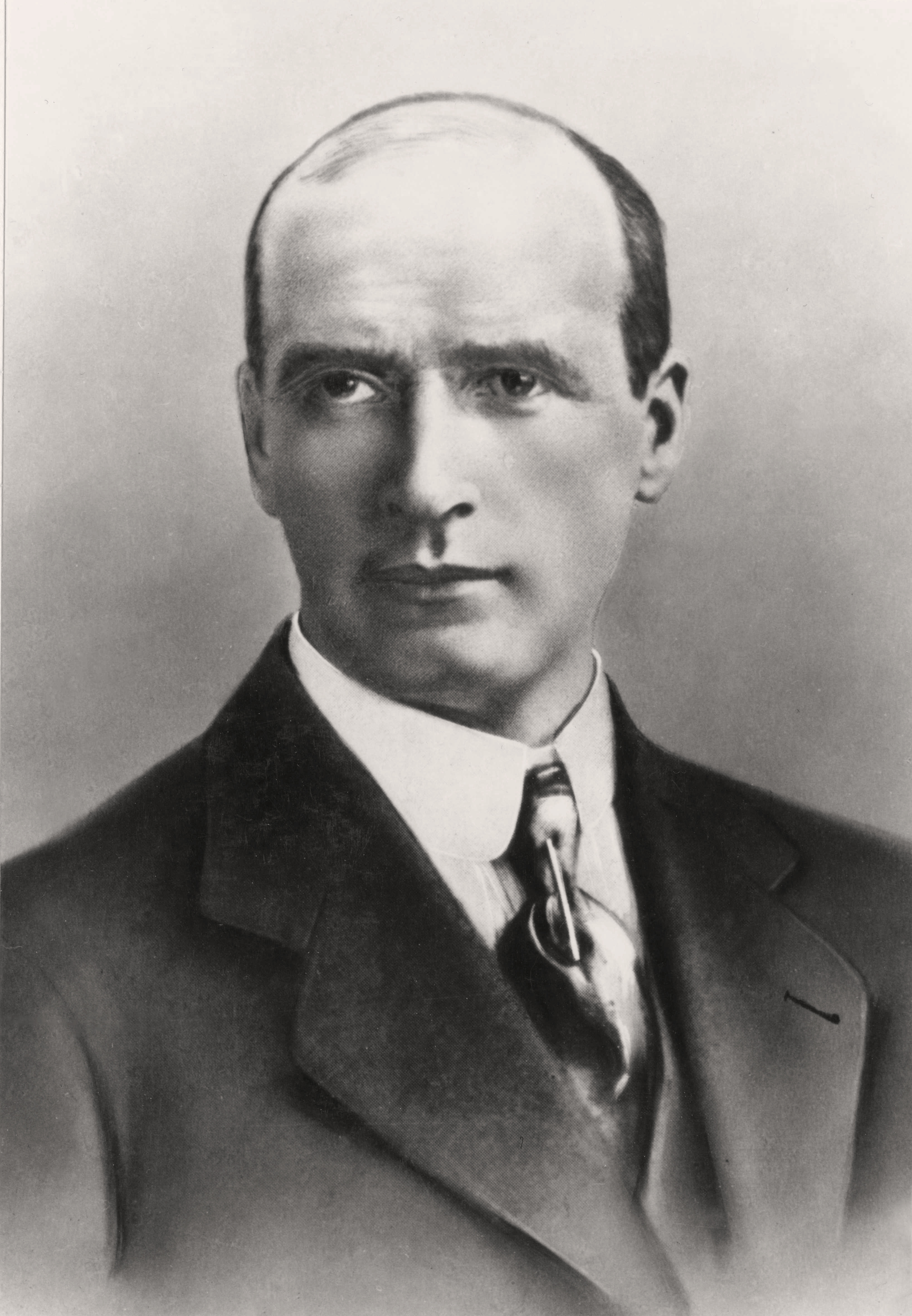
Fredrik Rosing Bull
Known for his works on improved punched card machines, Bull was an information technology pioneer. In 1907 he finished his studies in civil engineering at the Technical School of Kristiania (Kristiania Tekniske...
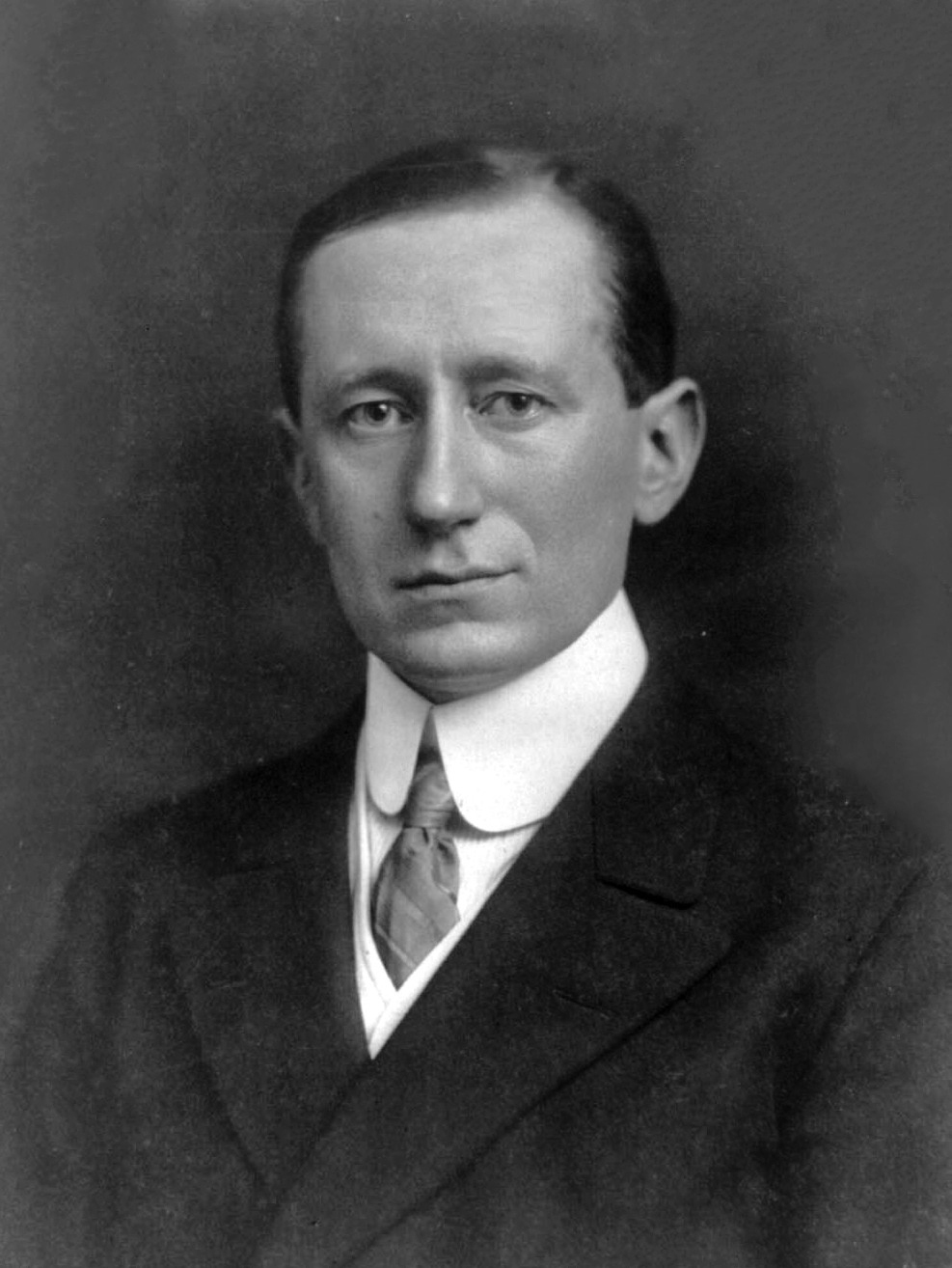
Guglielmo Marconi
Known as the father of long distance radio transmission, Marconi was an Italian inventor celebrated for his development of Marconi's law and a radio telegraph system. Although he is often accredited as...
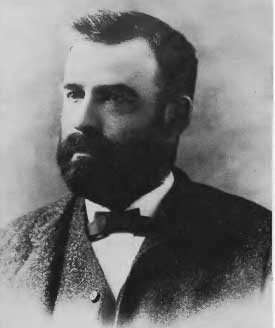
George Barnard Grant
One of the few Americans to make a significant contribution to mechanical computation prior to the end of the nineteenth century, Grant improved on the Difference Machine calculator and is recognized as...
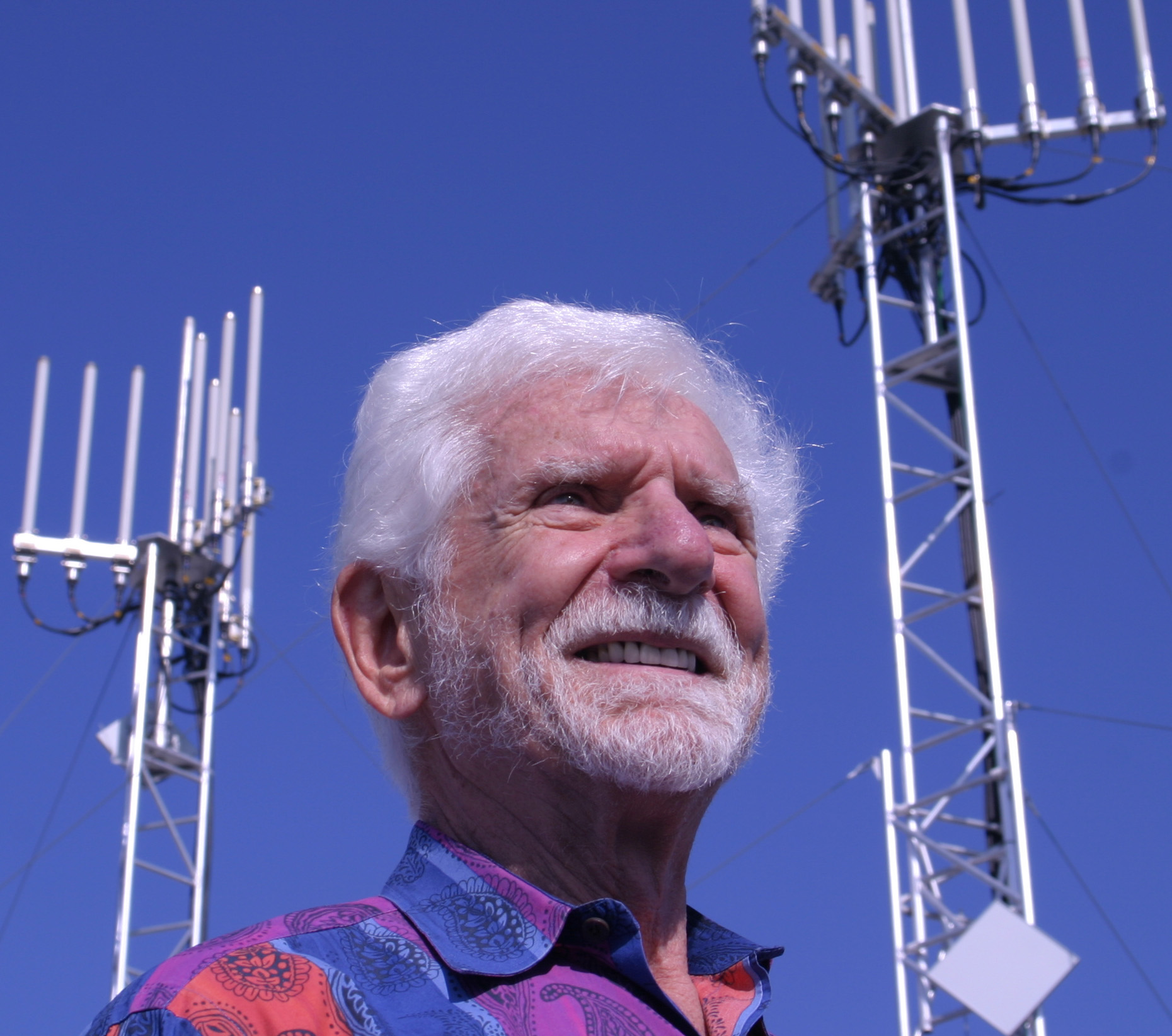
Martin (Marty) Cooper
Lead inventor of the "radio telephone system" and father of the cell phone, Cooper is a pioneer and visionary in the wireless communications industry. With eleven patents in the field, he is...
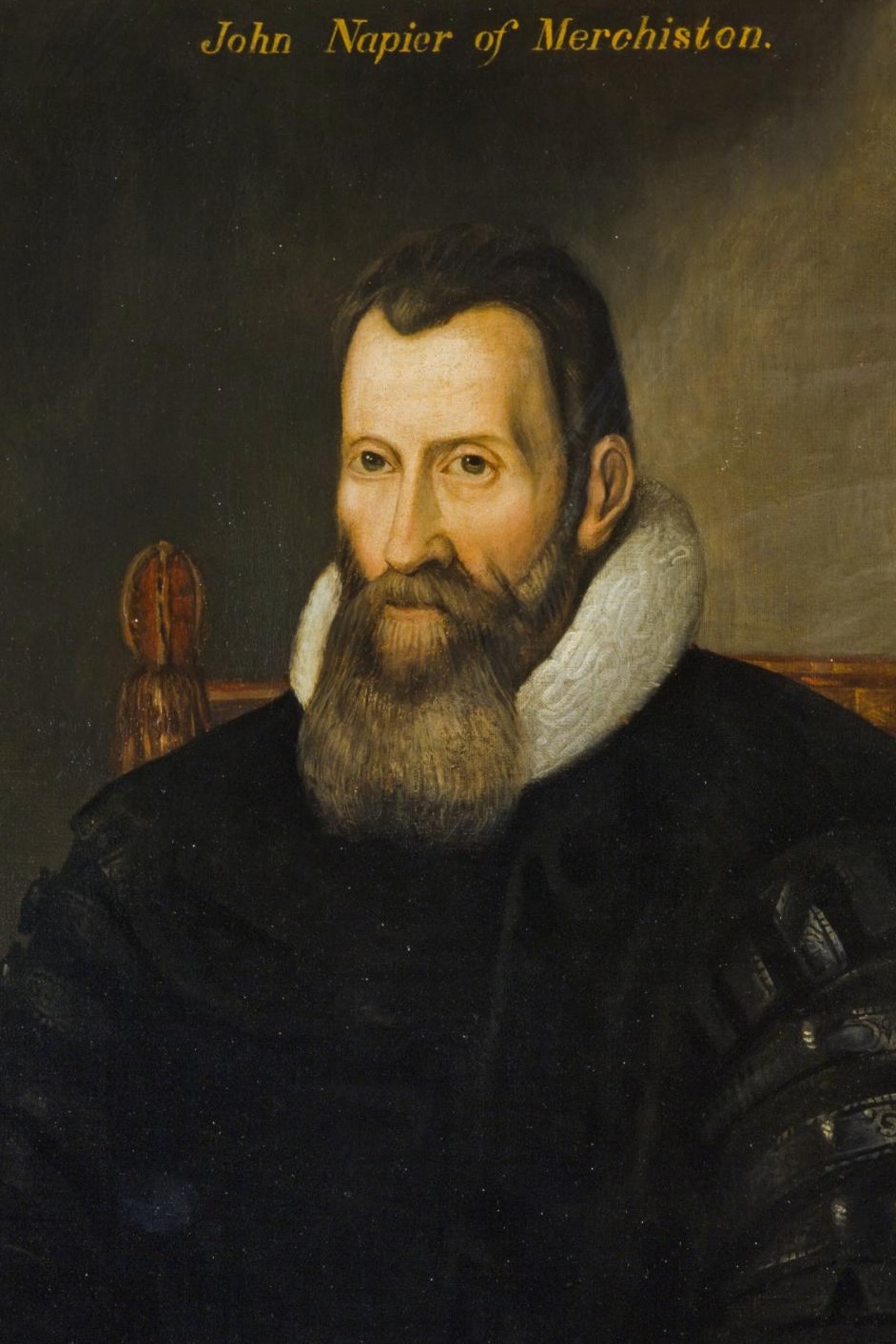
John Napier
Renowned as the discoverer of the logarithm and inventor of "Napier's bones," Napier was a Scottish mathematician, physicist, astronomer, and astrologer, and also the 8th Laird of Merchiston. He was the son...