Honored Persons Database
Displaying 21 – 40 of 141 Honorees (Category: Historical Pioneer (Pre-Moderns), with portraits)
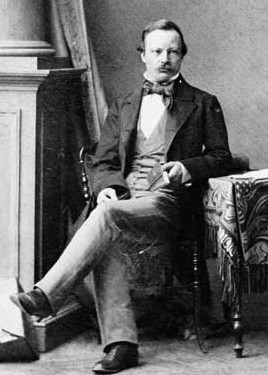
Edvard Georg Raphael Scheutz
Co-developer of the Scheutzian calculation engine that produced the first tables calculated and printed by machinery, Scheutz made pioneering contributions to mechanical computation alongside his father, Pehr George Scheutz. He began his...
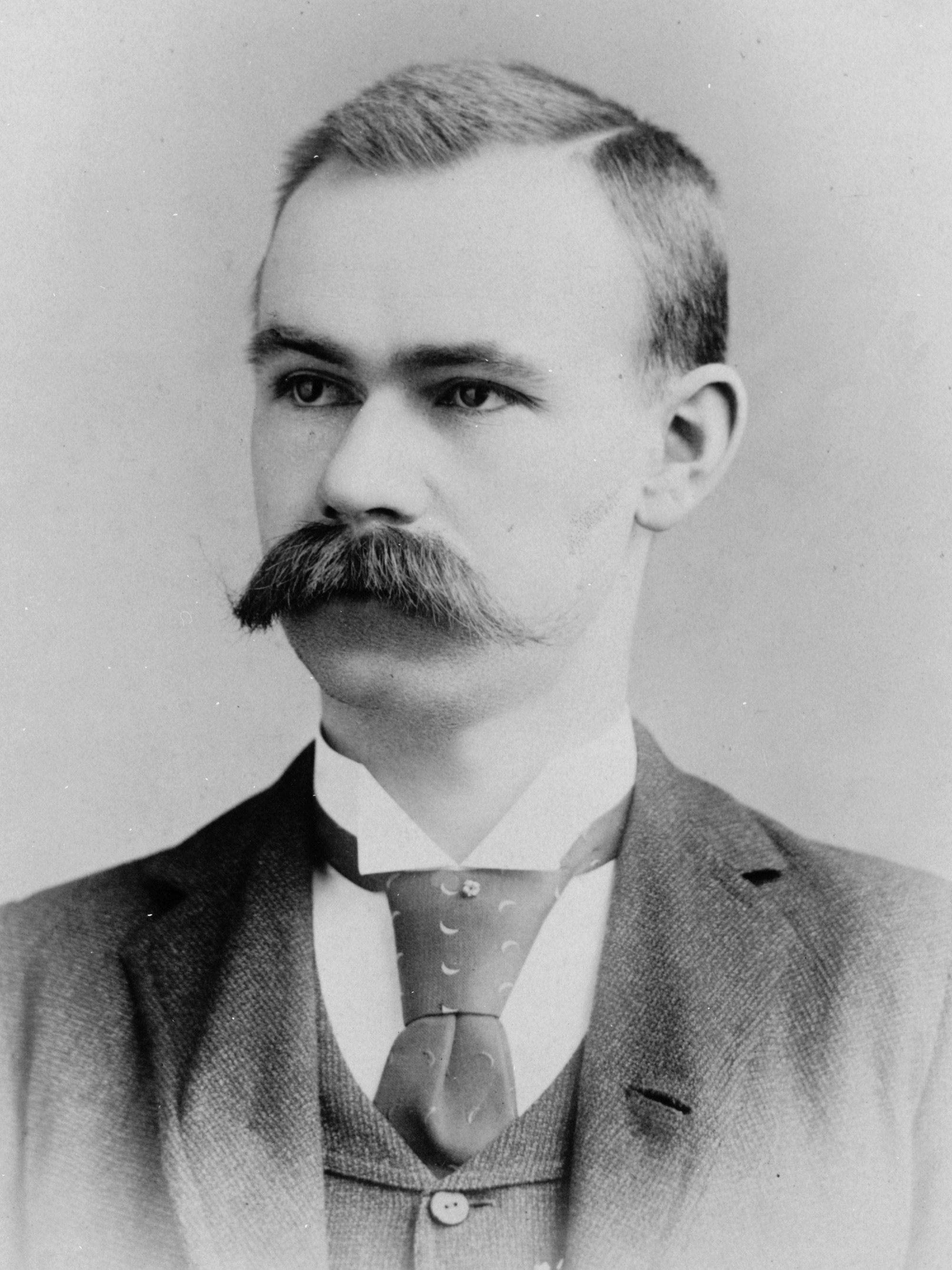
Herman Hollerith
Inventor of the punched card, Hollerith was a German-American statistician who developed a mechanical tabulator based on punched cards to rapidly tabulate statistics from millions of pieces of data. He was the...
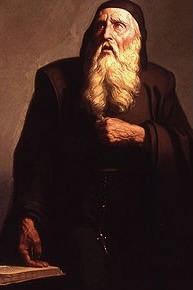
Ramon Llull
A pioneer of computation theory, Llull was a Majorcan writer and philosopher who wrote the first major work of Catalan literature. Recently-surfaced manuscripts show him to have anticipated, by several centuries, prominent...
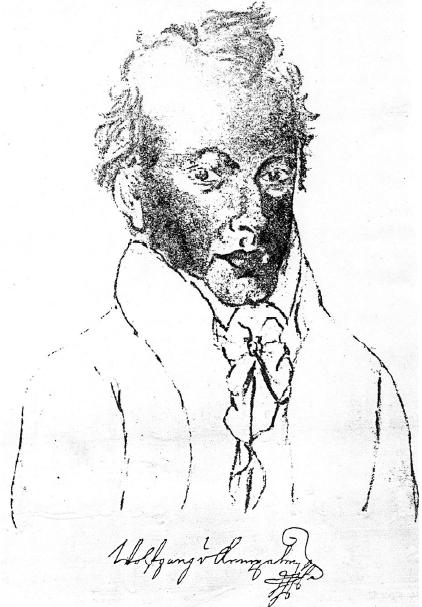
Johann Wolfgang Ritter von Kempelen
Famous for constructing The Turk, a chess-playing automaton later revealed to be a hoax, Kempelen was also a Hungarian author and inventor with Irish ancestors, born in Pressburg, Kingdom of Hungary, Habsburg...
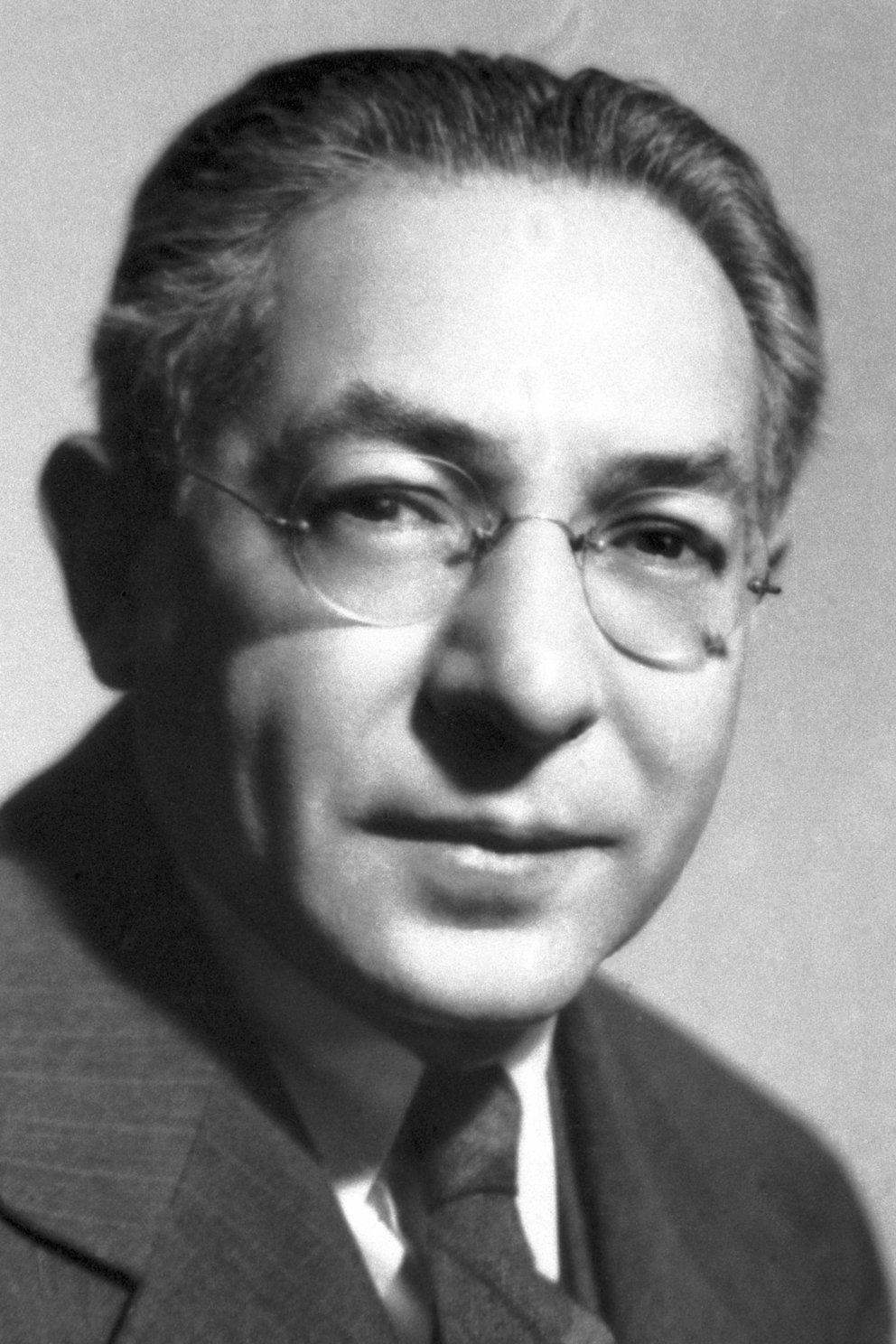
Isidor Isaac Rabi
Co-founder of CERN and Nobel laureate in Physics, Rabi was a Galician-born American physicist born into a traditional Jewish family in Rymanów, Galicia, Austria-Hungary (now Poland), and was brought to the United...
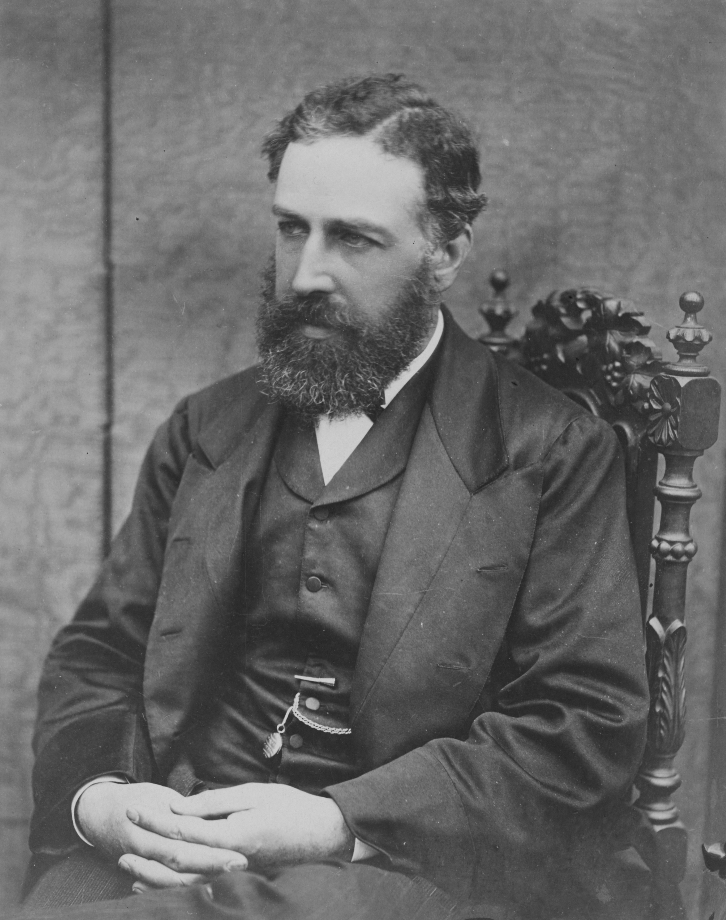
William Stanley Jevons
Constructed a logical machine called the Logic Piano, Jevons was a pioneering figure in both logic and economics. Jevons arrived quite early in his career at the doctrines that constituted his most...
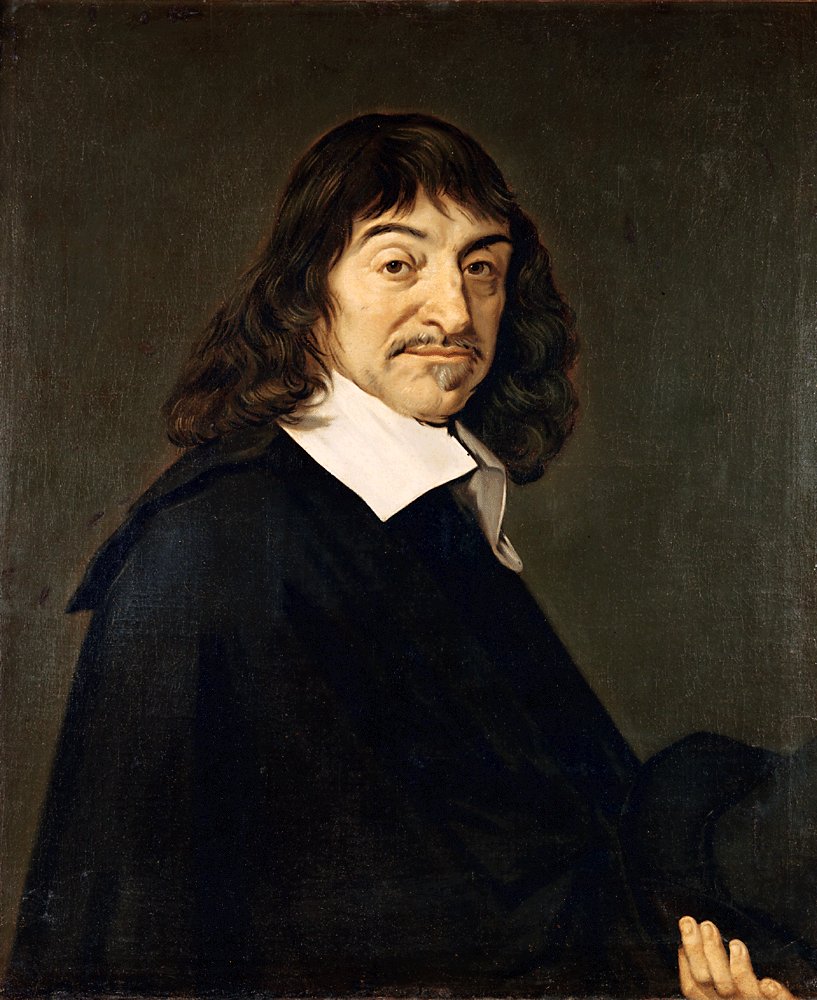
René Descartes
Credited as the father of analytical geometry, Descartes built the bridge between algebra and geometry that proved crucial to the discovery of infinitesimal calculus and analysis. The Cartesian coordinate system—allowing algebraic equations...
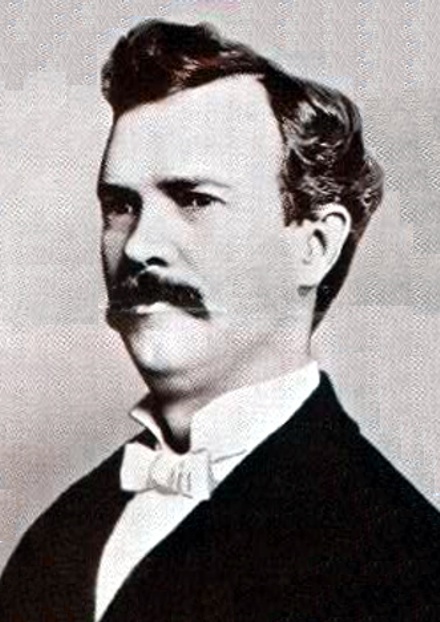
William Seward Burroughs
Inventor of the adding machine, Burroughs was posthumously inducted into the National Inventors Hall of Fame. An American inventor, born in Rochester, New York, the son of a mechanic, he worked with...
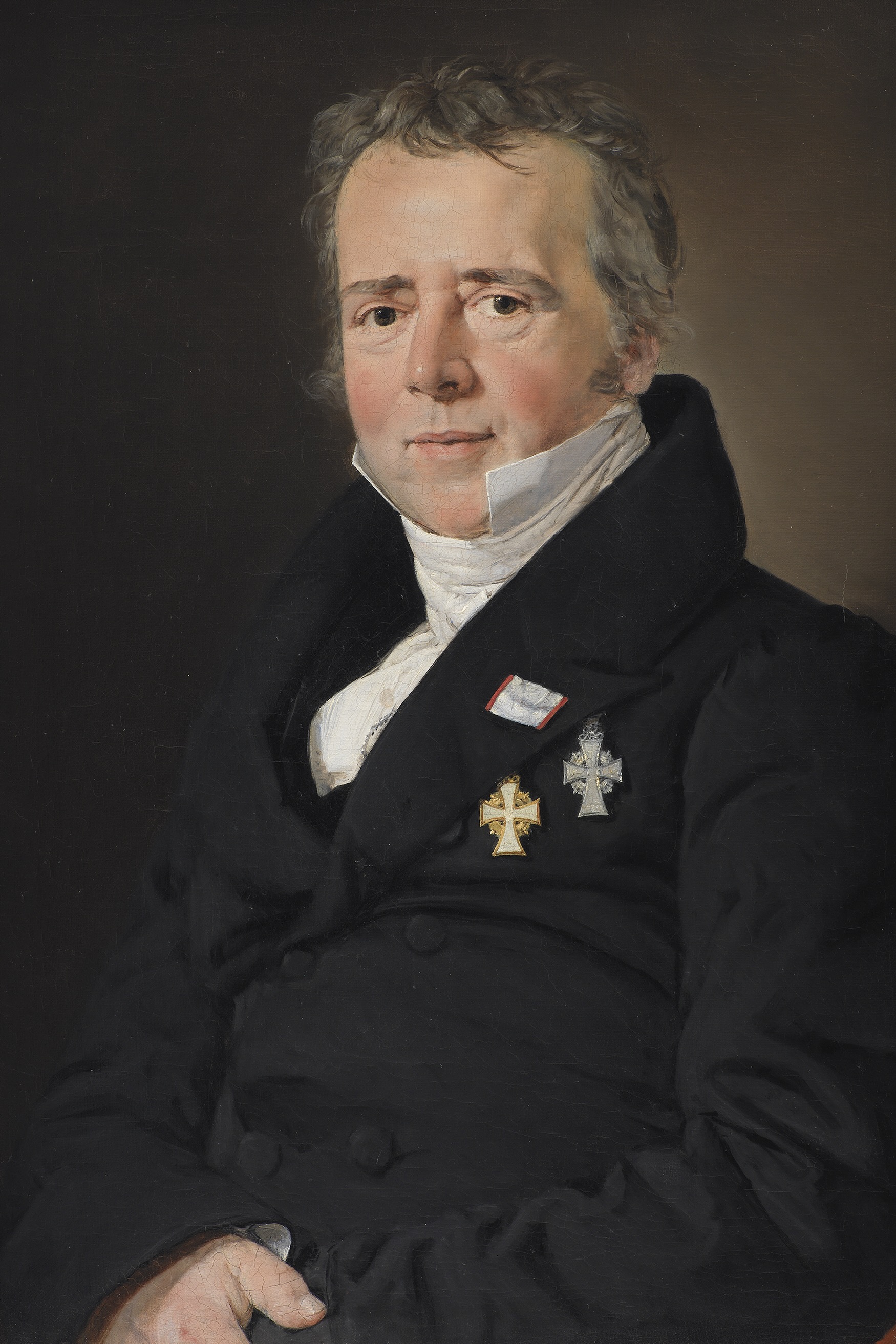
Hans Christian Ørsted
Discoverer that electric currents create magnetic fields, Ørsted made an important contribution to our understanding of electromagnetism. He shaped post-Kantian philosophy and advances in science throughout the late 19th century. He was...
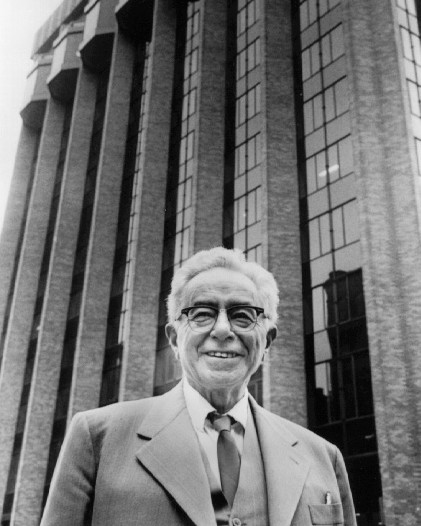
Warren Weaver
Writer of the memorandum "Translation" (July 1949), said to be probably the single most influential publication in the early days of machine translation, Weaver was an American scientist, mathematician, and science administrator...
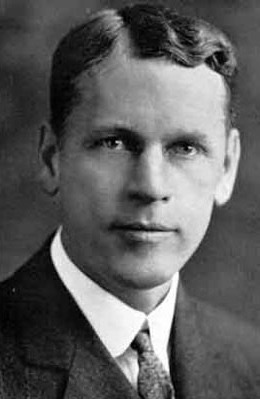
Oswald Veblen
Involved in overseeing the World War II work that produced the pioneering ENIAC electronic digital computer, Veblen was also an American mathematician, geometer, and topologist whose work found application in atomic physics...
Giovanni Caselli
Inventor of the pantelegraph (a.k.a. Universal Telegraph or "all-purpose telegraph"), the predecessor of the modern fax machine, Caselli put the world's first practical operating facsimile machine ("fax") system into use. Pantèlègraph is...
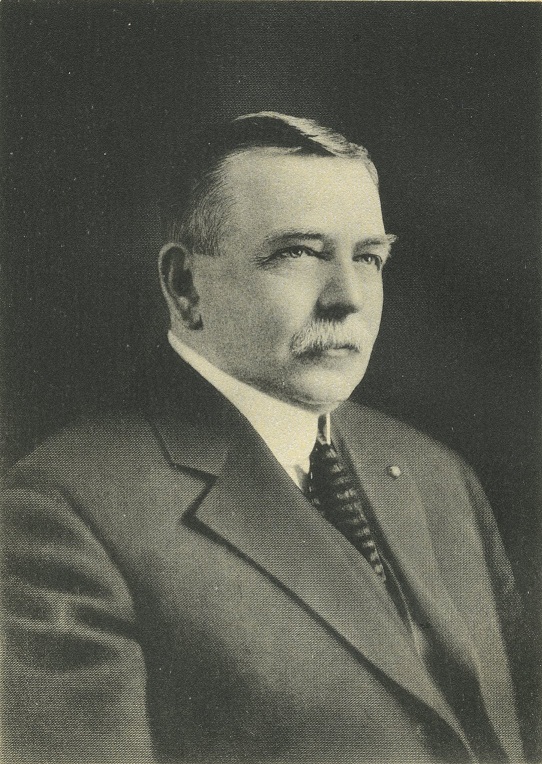
Dorr Eugene Felt
Inventor of the Comptometer, the first commercially successful key-driven mechanical calculator, Felt built his first prototype during the US Thanksgiving holidays of 1884. Because of his limited amount of money, he used...
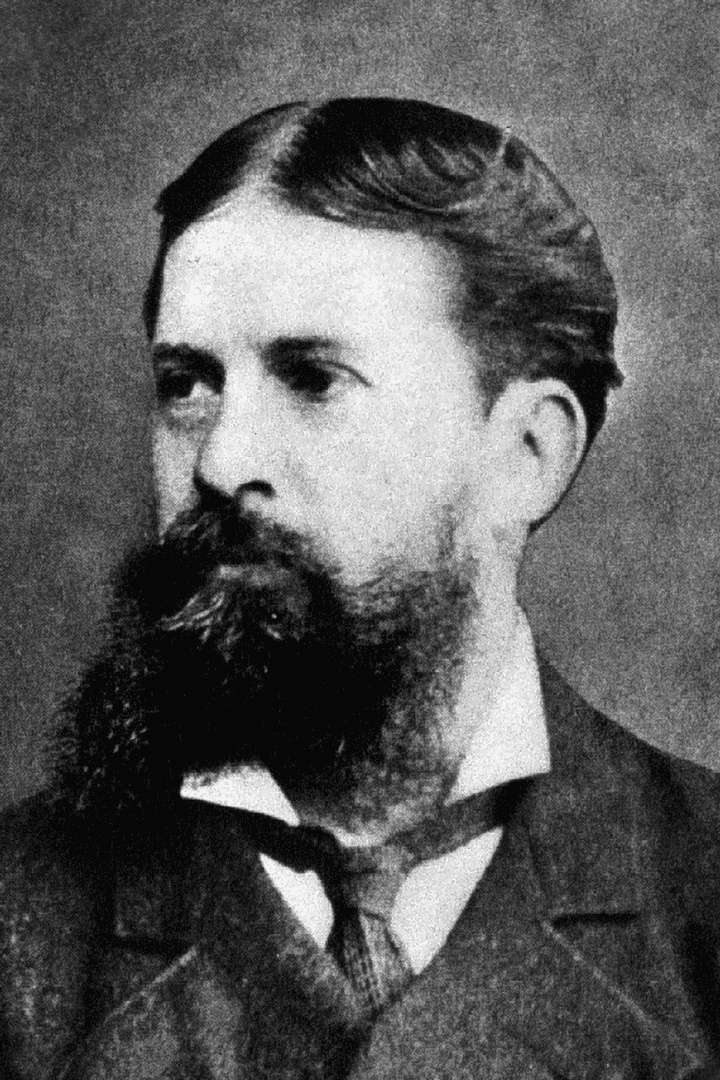
Charles Sanders Peirce
As early as 1886, Peirce saw that logical operations could be carried out by electrical switching circuits, the same idea that was used decades later to produce digital computers. An American philosopher,...
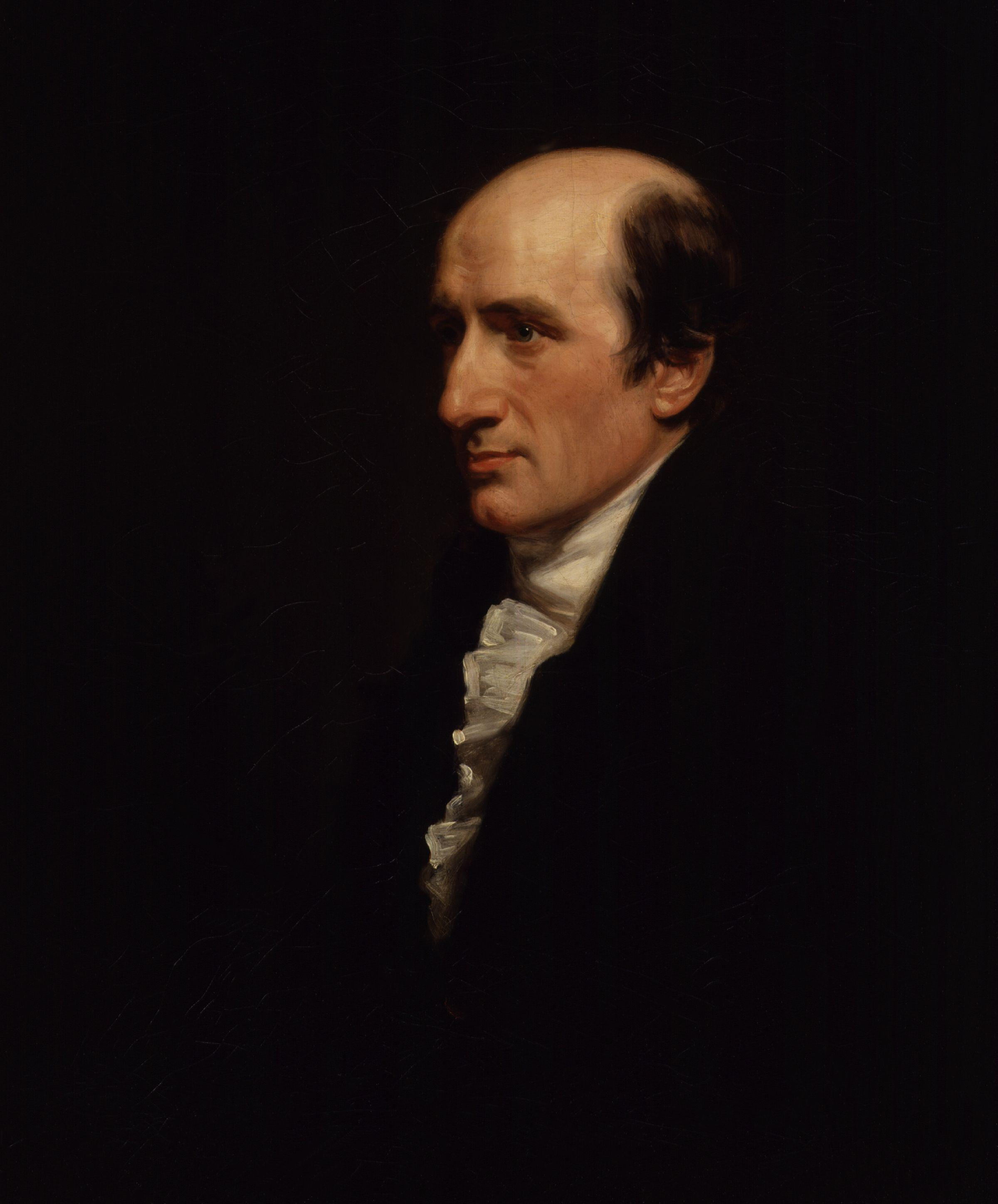
Charles Stanhope, 3rd Earl Stanhope
Inventor of two calculating machines, Stanhope was also a British statesman and scientist and a Fellow of the Royal Society (FRS). Also known as Charles Mahon, 3rd Earl Stanhope, he was the...
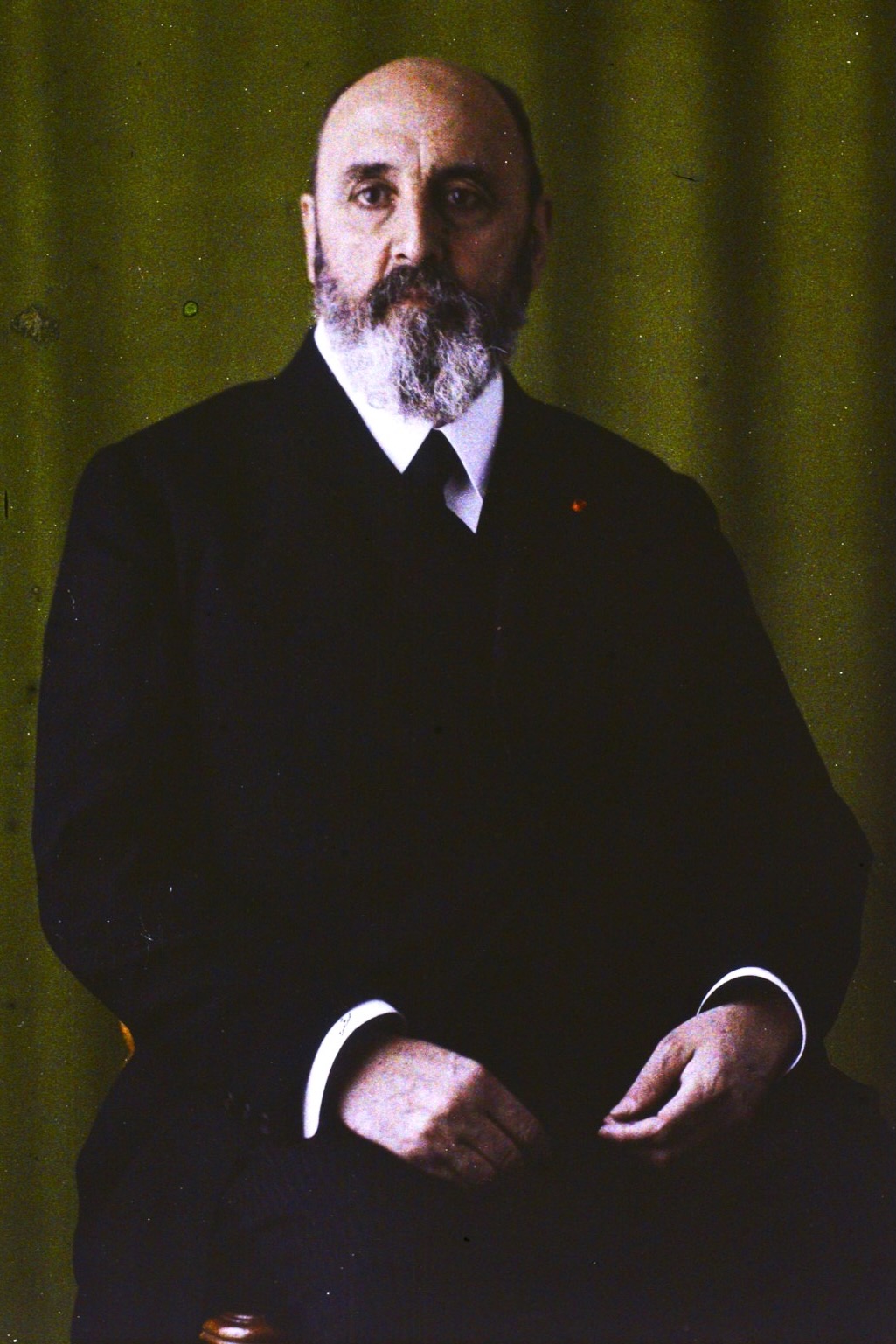
Leonardo Torres y Quevedo
Pioneer in remote control technology, Torres y Quevedo developed the Telekino — a robot that executed commands transmitted by electromagnetic waves — presenting it at the Paris Academy of Science in 1903. A...
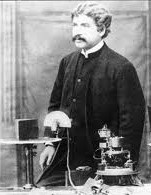
Jagadish Chandra Bose
Named by IEEE as one of the fathers of radio science, Bose pioneered the investigation of radio and microwave optics, made very significant contributions to plant science, and laid the foundations of...
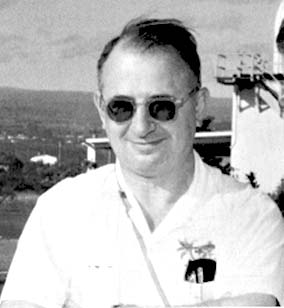
Harry Wexler
A pioneer in the use of computers for weather prediction and modification, Wexler was an American meteorologist who attended Harvard University, and in 1939 was awarded a Ph.D. in meteorology from the...
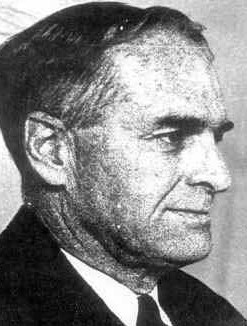
James Waddell Alexander II
Founder of cohomology theory, Alexander was also a pioneer in algebraic topology who contributed to the beginnings of knot theory by defining the first of the polynomial knot invariants. He was an American...
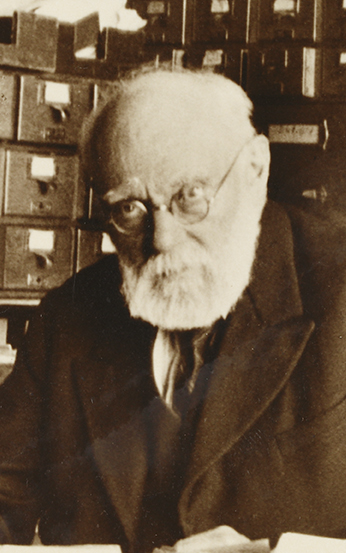
Paul Marie Ghislain Otlet
Considered one of the fathers of information science, Otlet was an author, entrepreneur, visionary, lawyer, and peace activist whose writings have sometimes been called prescient of the current World Wide Web. He...